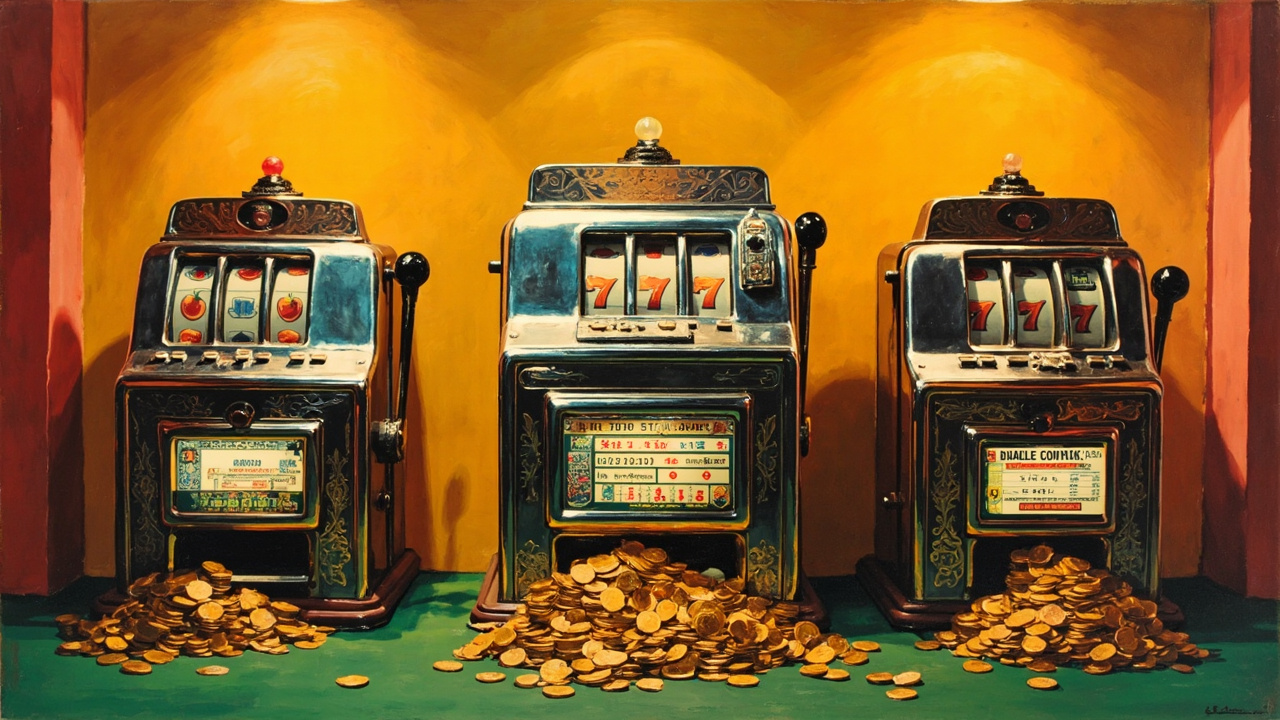
Casino Multiplier Jackpots Explained for Aussie Players
Casino multiplier jackpots explained clearly helps operators and players read the same rules from the first spin. As someone who has shipped and stress-tested iGaming releases from the QA side, I watch how bonus mechanics behave under real traffic before I call a build release-ready. A multiplier feature may look simple on paper, but the payout paths, trigger windows, and display timing all need to line up before an operator can trust what the lobby promises. That is the difference between a flashy feature and one that holds up on a busy Friday arvo.
How a multiplier jackpot actually builds

A multiplier jackpot is not a single pot that sits waiting; it is a feature that can stack a base win by a set factor when the right symbols, reel patterns, or free-spin conditions land together. In my testing work, the first thing I check is whether the game reads the multiplier at the exact moment the qualifying event fires, because a frame of delay can make the result feel off even when the maths is clean. The operator side matters just as much: the lobby copy, the paytable, and the in-game help text need to describe the same trigger window and cap, otherwise players read one rule and the system applies another. That is the kind of mismatch that creates support tickets long before it creates a complaint.
Localisation is where a lot of builds quietly fail. Currency formatting, decimal places, and the way a win is read aloud or shown on screen all have to match the market the player is actually in. I have seen builds that display a clean win figure in one view and a differently rounded figure in another, which erodes confidence even when the underlying payout is correct. For an Australian audience, that means reading the numbers the way they appear locally, not assuming a generic template will carry through. When the display, the rules, and the actual trigger all agree, the feature is far easier to trust during a real session.
What to expect from the interface and localisation
A multiplier feature lives or dies on clarity, so the visual identity and navigation need to make the current state obvious without crowding the screen. The best builds I have reviewed keep the active multiplier visible, show how close a trigger condition is, and keep the paytable easy to reach without burying it behind several taps. That is a usability call as much as a design one: if a player cannot tell what changed after a spin, the feature is doing more harm than good. Navigation should also stay consistent across the lobby, the game entry, and the in-game menu, because a broken path here is the kind of thing that turns a clean release into a support headache.
Language and currency are the everyday usability pieces that separate a polished build from one that still feels half-finished. Screen text should use the right spelling, the right currency symbol, and the right phrasing for the market, with no leftover template language from another region. Search should surface the right games and the right help articles without forcing a player to guess which term the site actually uses. If you want to see how a feature reads in a live-feeling flow, a demo slot like https://big-bass-splash-demo-au.com/play/ can show how a multiplier moment is presented before you ever commit to a real session.
Where the limits and trade-offs really sit
Every multiplier setup comes with conditions, and the honest read is that the feature is most useful when the limits are clear rather than buried. The most common trade-off is that a higher multiplier usually sits behind a tighter trigger window, a specific symbol pattern, or a free-spin set that does not land often. That is not a flaw in the feature; it is the design. What matters is whether the rules are written in a way a player can actually follow mid-session, because vague wording is what turns a fair mechanic into a frustrating one.
From a release-readiness angle, I always check the edge cases before I would trust the feature in a live environment. That means testing what happens when a multiplier is interrupted, when a round ends early, when the display updates late, and when the same feature is entered from different menu paths. The goal is not to chase a perfect outcome every time; it is to make sure the behaviour is predictable when the unexpected happens. A build that handles the ordinary path well but falls apart on a boundary condition is not ready, no matter how good the lobby copy looks.

How operators and players read the same feature
Operator confidence comes from the same place player confidence does: consistent behaviour that matches the published rules. I have run releases where the maths was fine but the surrounding experience was noisy, and those builds always cost more in support and re-checks than a cleaner launch would have. The practical habit is to treat the feature as a small system, not a single screen, and to verify the lobby text, the paytable, the in-game help, and the actual trigger behaviour as one piece. When those parts agree, the operator can stand behind the feature and the player has a fair shot at understanding what they are playing.
For players, the useful habit is to read the cap, the trigger, and the ways out of the feature before chasing a big moment. A multiplier can make a round feel larger, but it does not change the fact that the conditions still have to land. Western Sydney sessions can be as busy as any metro lounge on a weekend, and that is exactly when a clear interface matters most, because a crowded screen and a rushed read are how good features get misunderstood. If the display is honest and the rules are easy to find, the feature is doing its job without promising anything it cannot deliver.
| Detail | What it means in practice |
|---|---|
| Positioning | Multiplier features as clear, rule-first mechanics rather than vague bonus promises |
| Games and providers | Built-in feature sets across demo and live titles, with paytable and help text kept in sync |
| Bonus mechanics | Trigger windows, caps, and qualifying patterns described in plain terms before play |
| Payments and currencies | Local currency display and formatting checked against the market being served |
| Registration and mobile | Entry paths and in-game menus kept consistent so the feature is easy to reach on phone or desktop |
| Support and loyalty | Clear help articles and predictable behaviour so questions are about rules, not misread screens |
A multiplier jackpot is easiest to understand when the display, the rules, and the actual trigger all tell the same story. Read the cap, watch how the feature behaves in a demo-like flow, and treat the lobby copy as part of the product, not decoration. That is the practical way to judge a feature before you decide it is worth your time.